


Here is a list of important types of trade finance.
Table of Contents
Trade Finance UAE represents the financial instruments and products used by companies to facilitate international trade and commerce. It is crucial in risk mitigation (LC, factoring, export credit, insurance), working capital, currency management, and supply chain efficiency. Trade Finance UAE makes it easier for importers and exporters to transact business across the border. Trade Finance UAE can help businesses negotiate better terms with suppliers, such as extended payment terms or discounts for early payment. It helps businesses comply with various international trade regulations and standards.
Why is trade finance a higher risk?
Trade finance UAE can be used for money laundering by creating fake transactions or handling legal trade deals’ value or nature. For instance, criminals might inflate the value of goods or services in trade transactions to make illegal profits or transfer funds across borders. It often involves cross-border transactions, which exposes businesses to political and economic instability in the countries involved. Changes in government, economic downturns, or political unrest can affect the ability to complete transactions or repay loans.
The risk key facts of Trade Finance UAE are:
- Currency fluctuations: Exchange rates can be volatile, impacting the value of transactions.
- Political and economic risks: For instance, changes in government policies or sanctions can affect payment flows.
- Credit risk: When a buyer defaults the exporter faces financial loss.
- Supply chain disruptions: Due to natural disasters, strikes, or logistical issues.
Why do we need trade finance?
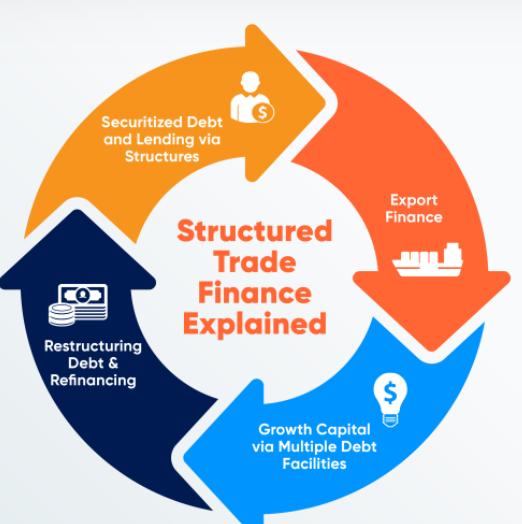
Businesses selling goods or services overseas may face risks regarding cash flow and payment from buyers. Trade finance helps to manage those business risks by providing guarantees and advance payments. Trade finance plays a crucial role in facilitating international trade and commerce.
Why trade finance is important?
Trade finance is critically important for several reasons, all of which facilitate and support the smooth functioning of international trade. Trade finance is the backbone of global trade, reducing risks, enhancing liquidity, and promoting economic growth.
- Facilitating international trade: Bridges the gap between importers and exporters, making global trade feasible and efficient.
- Market expansion: By facilitating cross-border transactions, trade finance allows businesses to explore new markets.
Types of Trade Finance UAE
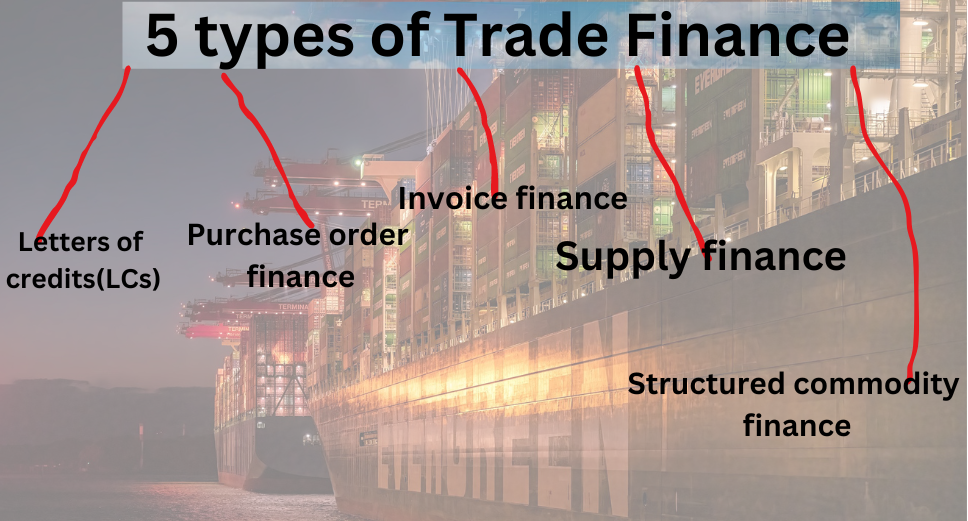
Letters of credits(LCs)
Letters of credit (LCs) are financial tools used in international trade. They provide a guarantee from the buyer’s bank to the seller that payment will be made upon fulfilling specified conditions and LCs reduce risk and ensure smoother cross-border transactions.
Purchase order finance
Order finance refers to financial solutions that help businesses manage working capital by providing funding based on confirmed purchase orders. It ensures timely delivery of goods without straining a company’s cash flow.
Invoice finance
Invoice finance is a finance arrangement where business get their outstanding invoices financed by third-party institutions. This trade finance allows them to access funds tied up in unpaid invoices before they are due, providing a quick injection of cases to meet immediate financial needs.
Supply finance
Supply chain finance is reverse factoring, which enables suppliers to receive early payment on their invoices in exchange for the goods they provide.
Structured commodity finance
Structured commodity finance (SCF) is a specialized trade finance predominantly used in the commodities sector. It caters to commodity producers and trading companies involved in importing, exporting, or foreign trade of commodities, particularly in developing markets.
What is the difference between trade finance and banking finance in the UAE?
Trade Finance
- Trade finance mitigates risk basically in global trade.
- Trade finance companies, importers, exporters, insurers, and export credit agencies collaborate to make trade transactions feasible.
- Impact nearly 80% to 90% of world trade relies on trade finance.
Banking Finance
- General finance manages solvency or liquidity.
- Banking financing covers various finance needs beyond trade, such as personal loans and business loans.
- While trade finance hones in on international or global trade, banking finance serves a wider range of financial needs.
In summary, trade finance acts as a bridge connecting businesses across borders such as a facilitating transaction, unlocking capital, and expanding market reach. It is a cornerstone of international commerce, providing the financial support, risk management, and operational efficiency needed for businesses to trade globally. Guarantees that a buyer’s payment will be made to the seller if the seller meets the specified terms and conditions.

